









Why Biohackers Are So Interested in Alpha Lipoic Acid
Cold plunges before breakfast. Smart rings that track sleep. Continuous glucose monitors on perfectly healthy people. These habits have helped push biohacking from niche curiosity into the mainstream.
Once seen as extreme, biohacking now appeals to anyone looking for practical ways to optimise health, support healthy ageing and get more from their body. You don’t need a cupboard full of gadgets or a rigid routine to take an interest. At its most sensible, biohacking is simply about understanding how your body works and making informed choices that support it.
This is where alpha lipoic acid (ALA) comes in. A naturally occurring, sulphur-containing compound, ALA has an important role in mitochondrial energy metabolism and has been studied for its potential effects on metabolic health, glutathione recycling and cellular ageing.10
These multiple roles help explain why ALA has attracted attention from researchers and biohackers interested in how the body produces energy, responds to metabolic demands and maintains cellular function. So, what makes alpha lipoic acid so interesting?
 What Is Alpha Lipoic Acid?
ALA is a naturally occurring sulphur-containing compound produced in small amounts by the body and found in foods including spinach, broccoli, tomatoes and organ meats.1
Inside cells, ALA plays an important role in normal energy metabolism, particularly within the mitochondria. These tiny structures are often referred to as the cell’s powerhouses because they convert the food we eat into ATP, the molecule that provides energy for almost every cellular process.2
More specifically, ALA acts as a cofactor for several mitochondrial enzyme complexes involved in converting carbohydrates and fats into usable energy.3
ALA has also been investigated for its potential effects on insulin sensitivity, inflammatory pathways and mitochondrial function, although research in these areas is still developing.12
Although your body makes ALA naturally, the amounts are relatively small, which is one reason supplemental forms have attracted growing research interest.
 Biohackers Are Interested In Mitochondria
One of the biggest themes in biohacking is mitochondrial health.
Every movement, thought and heartbeat depends on energy being produced inside your cells. Mitochondria therefore have an important role in meeting the body's energy demands, making them a natural focus for people interested in physical performance, energy metabolism and healthy ageing.
ALA is involved in several of the enzyme complexes responsible for mitochondrial energy metabolism.3 Rather than acting as a stimulant, it forms part of the normal biochemical machinery involved in releasing energy from carbohydrates and fats.
This makes ALA particularly interesting to people who are looking beyond a temporary energy lift and towards the biological processes that underpin normal energy production.
Healthy Ageing Is Another Area Of Interest
Many biohackers are less interested in living longer than they are in maintaining health and vitality as they age.
As we get older, our cells are exposed to oxidative challenges generated through normal metabolism as well as factors such as UV exposure, smoking and environmental pollution.4
ALA has attracted attention because it is both water- and fat-soluble, allowing it to interact with processes in different cellular environments. Researchers have also studied its relationship with other compounds involved in maintaining normal cellular balance, including vitamins C and E and glutathione.5
Research into ALA and healthy ageing is ongoing, but its involvement in several interconnected cellular pathways has made it an interesting area of nutritional research.
 Supporting Your Body's Own Glutathione
Another reason ALA attracts attention is its relationship with glutathione.
Glutathione is produced naturally within the body and is involved in numerous cellular processes, including detoxification, immune function and maintaining cellular balance. Because these processes are central to energy production, recovery from exercise and long-term cellular health, glutathione is of particular interest to people focused on optimising performance and healthy ageing.
Rather than supplying glutathione directly, ALA appears to help regenerate glutathione after it has been used and supports enzyme systems involved in maintaining healthy glutathione status.6 Research suggests that ALA can improve the availability of cysteine (a key building block for glutathione) and may activate cellular pathways that support the body’s own glutathione production.14
For people interested in supporting their body’s own natural processes, this makes ALA an appealing addition to a balanced nutritional approach.
Metabolic Health Is Under The Spotlight
Blood sugar regulation has become another major focus within the biohacking community, particularly with the growing popularity of continuous glucose monitors.
While healthy blood glucose is influenced primarily by diet, physical activity, sleep and body composition, ALA has also been studied for its role in glucose metabolism and insulin sensitivity.7
Research in this area is still developing, and supplements should never replace medical treatment or healthy lifestyle habits. However, the potential relationship between ALA and metabolic health is another reason it continues to receive scientific attention.
This interest is reflected in clinical practice in some countries. ALA also has a long history of clinical use in Germany, where it is prescribed for diabetic polyneuropathy. Clinical trials have investigated both intravenous and oral ALA, with evidence particularly focused on symptoms and neurological deficits associated with diabetic nerve damage.13
Food First Still Matters
Despite the popularity of supplements, most experienced nutrition practitioners agree that no nutrient works in isolation.
Supporting mitochondrial health starts with everyday habits such as:
- Eating enough protein.
- Including plenty of colourful fruit and vegetables.
- Choosing healthy fats such as olive oil, nuts and oily fish.
- Exercising regularly.
- Prioritising sleep.
- Managing stress.
- Limiting smoking and excessive alcohol intake.
These habits influence many of the same pathways that biohackers seek to optimise.
 Why Liposomal Alpha Lipoic Acid?
Only small amounts of ALA occur naturally in foods, and conventional supplements vary in how much is absorbed.
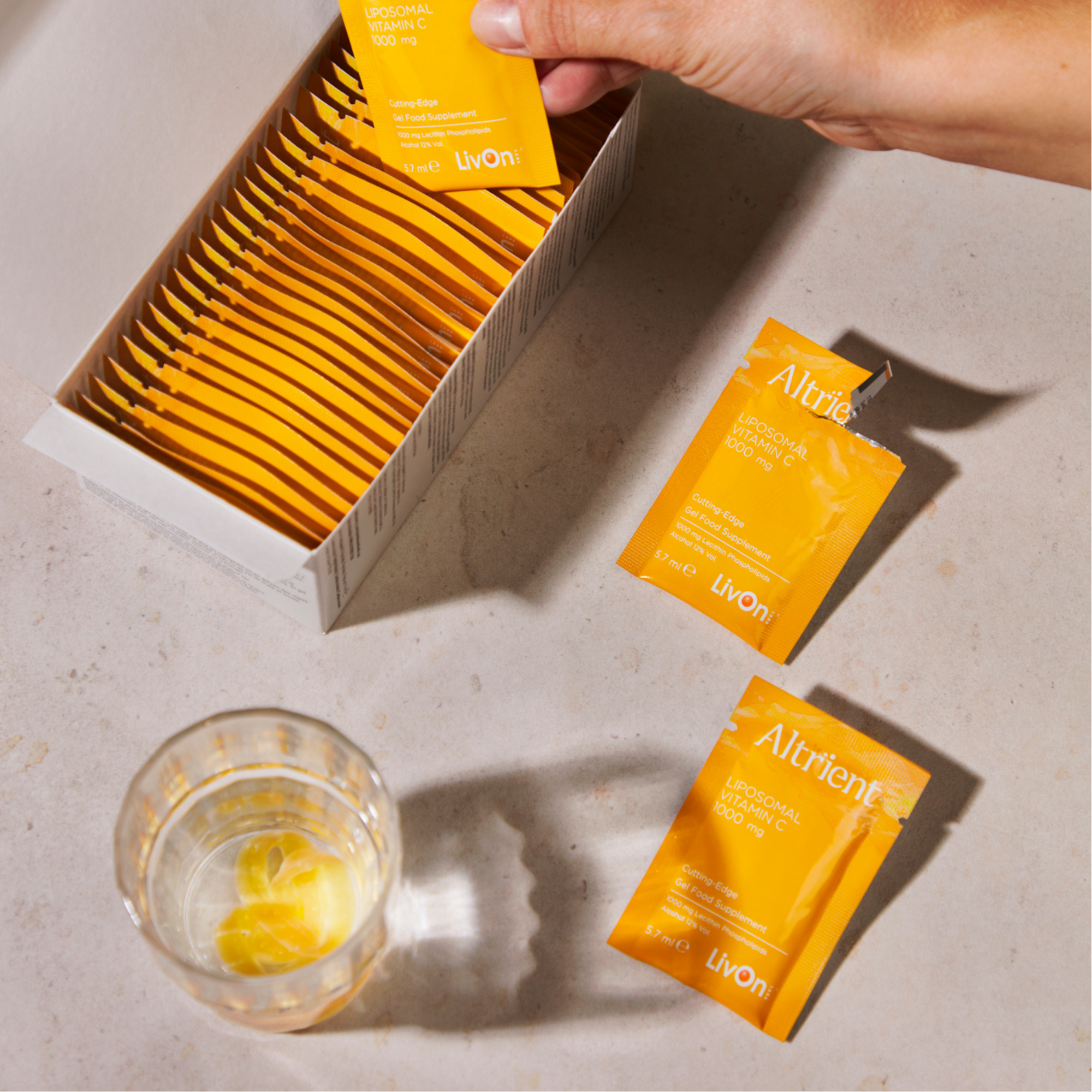
Liposomal technology surrounds nutrients with phospholipids similar to those found in cell membranes. This delivery system is designed to help protect nutrients during digestion and improve absorption compared with standard oral preparations, although results depend on the specific formulation.8
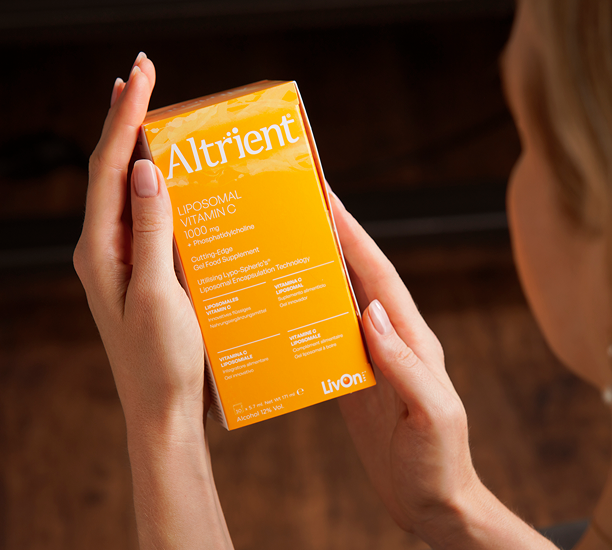
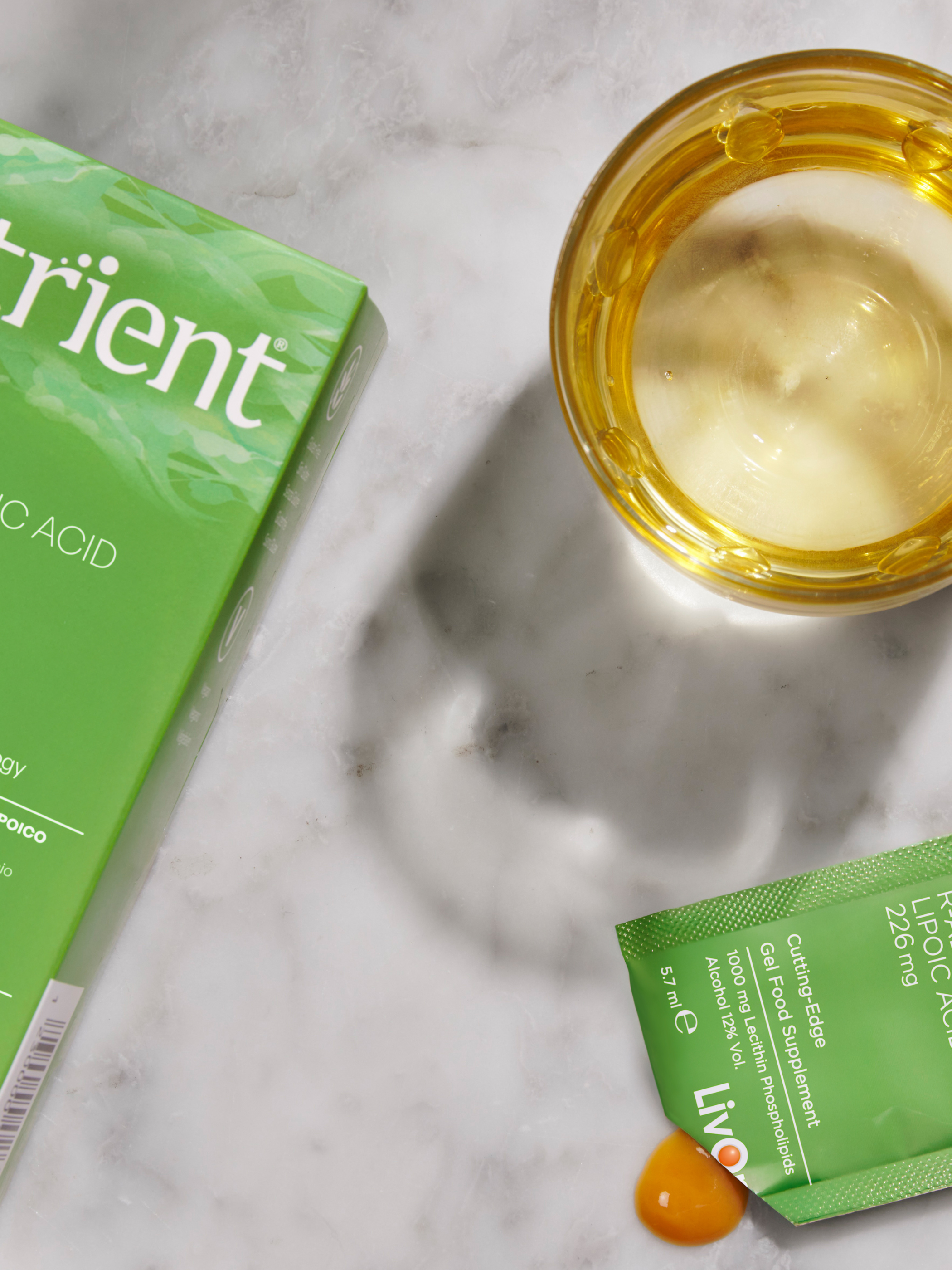
For those choosing to supplement, both the form of ALA and the way it is delivered may therefore be worth considering. Altrient R-Alpha Lipoic Acid provides 226mg of R-ALA with 500mg of phosphatidylcholine in a liposomal formulation. R-ALA is the form naturally produced by the body and associated with the activity of mitochondrial enzyme complexes.9
Phosphatidylcholine is particularly interesting in its own right. It is one of the main phospholipids found in cell membranes and provides a source of choline, an essential nutrient involved in normal liver function, lipid metabolism and the maintenance of normal cell membranes.10 These roles may make phosphatidylcholine an additional point of interest for people focused on cellular health and healthy ageing.
Combining R-ALA with a phosphatidylcholine-based liposomal delivery system therefore brings together two components with distinct roles.
Is Alpha Lipoic Acid Only For Biohackers?
Not at all.
You don't need wearable technology or an interest in the latest wellness trends to appreciate good nutrition.
The reasons biohackers are interested in ALA are the same reasons researchers continue to study it. It plays an important role in normal cellular energy metabolism, and has been investigated in relation to mitochondrial function, glutathione metabolism and metabolic health.
For most people, the foundations remain the same: eat a balanced diet, stay physically active, prioritise sleep and use supplements thoughtfully where they complement, rather than replace, healthy lifestyle habits.
Frequently Asked Questions
What foods contain alpha lipoic acid?
Small amounts are found naturally in spinach, broccoli, tomatoes, Brussels sprouts and organ meats such as liver.1
Is alpha lipoic acid the same as glutathione?
No. Alpha lipoic acid and glutathione are different compounds. Alpha lipoic acid helps support the recycling of glutathione within the body, while glutathione itself is produced from the amino acids cysteine, glycine and glutamate.6
Why do biohackers take alpha lipoic acid?
Many people interested in biohacking are looking to support mitochondrial function, healthy ageing and metabolic health. Alpha lipoic acid has become popular because it is involved in several of these biological pathways, although research is still evolving.
Is liposomal alpha lipoic acid better?
Liposomal formulations are designed to improve nutrient delivery by protecting ALA during digestion. Some studies suggest this may improve absorption compared with conventional oral forms, although outcomes depend on the formulation used.8
Written by: Jacqueline Newson BSc (Hons) Nutritional Therapy
References
- Shay KP, Moreau RF, Smith EJ, Smith AR, Hagen TM. Alpha-lipoic acid as a dietary supplement: molecular mechanisms and therapeutic potential. Biochimica et Biophysica Acta. 2009;1790(10):1149-1160.
- Patel MS, Korotchkina LG. Regulation of the pyruvate dehydrogenase complex. Biochemical Society Transactions. 2006;34(Pt 2):217-222.
- Reed LJ. From lipoic acid to multi-enzyme complexes. Protein Science. 1998;7(1):220-224.
- Rinnerthaler M, Bischof J, Streubel MK, Trost A, Richter K. Oxidative stress in ageing skin. Biomolecules. 2015;5(2):545-589.
- Packer L, Witt EH, Tritschler HJ. Alpha-lipoic acid as a biological modifier. Free Radical Biology and Medicine. 1995;19(2):227-250.
- Suh JH, Wang H, Liu RM, Liu J, Hagen TM. (R)-Alpha-lipoic acid reverses age-related changes in glutathione metabolism. Annals of the New York Academy of Sciences. 2004;1019:432-435.
- Golbidi S, Badran M, Laher I. Diabetes and alpha lipoic acid. Frontiers in Pharmacology. 2011;2:69.
- Belcaro G, Cesarone MR, Dugall M, et al. Improved bioavailability of liposomal alpha lipoic acid. Panminerva Medica. 2015;57(Suppl 1):33-39.
- Smith AR, Shenvi SV, Widlansky M, Suh JH, Hagen TM. Lipoic acid as a potential therapy for chronic diseases associated with oxidative stress. Current Medicinal Chemistry. 2004;11(9):1135-1146.
- Superti F, Russo R. Alpha-Lipoic Acid: Biological Mechanisms and Health Benefits. Antioxidants (Basel). 2024;13(10):1228.
- Packer L, Cadenas E. Lipoic acid: energy metabolism and redox regulation of transcription and cell signaling. Journal of Clinical Biochemistry and Nutrition. 2011;48(1):26-32.
- Dos Santos SM, Romeiro CFR, Rodrigues CA, Cerqueira ARL, Monteiro MC. Mitochondrial Dysfunction and Alpha-Lipoic Acid: Beneficial or Harmful in Alzheimer's Disease? Oxidative Medicine and Cellular Longevity. 2019;2019:8409329.
- Ziegler D, Reljanovic M, Mehnert H, Gries FA. Alpha-lipoic acid in the treatment of diabetic polyneuropathy in Germany: current evidence from clinical trials. Experimental and Clinical Endocrinology & Diabetes. 1999;107(7):421-430.
- Minich DM, Brown BI. A Review of Dietary (Phyto)Nutrients for Glutathione Support. Nutrients. 2019;11(9):2073.
Read more

Losing a significant amount of weight with a GLP-1 medication can be an enormous achievement in terms of your health. But another change can come with substantial weight loss that isn't always talk...
For a long time, the gut was understood mainly as the body's digestive engine, a place where food went in and nutrients came out the other side. That picture has broadened considerably over the pas...