








How to Prevent Loose Skin on GLP-1s: Diet, Exercise and Skin Support
Losing a significant amount of weight with a GLP-1 medication can be an enormous achievement in terms of your health. But another change can come with substantial weight loss that isn't always talked about: what happens to the skin afterwards. When body fat decreases rapidly or substantially, some people's skin can become loose, saggy or crepey.
This has sparked new discussions about what happens after GLP-1 weight loss. Plastic surgeons are reporting a growing number of patients seeking body contouring procedures after losing substantial amounts of weight with medicines such as semaglutide and tirzepatide. Recent research is now beginning to look specifically at this emerging group of patients.1
So, can you actually prevent loose skin on a GLP-1?
Not entirely. How much loose skin you develop depends on factors including your age, genetics, how much weight you lose, how long you have carried excess weight and your skin's natural elasticity. What you can influence is how well you support your skin and how much muscle you protect underneath it.
 Why Does Skin Sag After Taking Weight Loss Medications?
Skin gets its shape from a network of collagen and elastin. As the body gains fat, skin stretches to accommodate it, and when a large amount is lost quickly, it doesn't always spring back. Age plays its part too, since collagen production and elasticity both decline naturally over time.
There's another, less obvious factor: what happens to your lean mass while losing weight on GLP-1 medications.
Fat isn't the only thing that disappears. Treatment reduces fat mass very effectively, but some lean mass goes with it. A 2025 review of 22 randomised trials found lean mass made up around a quarter of total weight lost,2 and a separate 2025 analysis found a similar pattern.3
This does not mean GLP-1 medicines are causing abnormal muscle wasting. Lean mass includes more than skeletal muscle; it also includes bones, organs, connective tissue and body water, so a reduction in lean mass does not necessarily represent an equivalent loss of muscle.
The proportion lost varies between individuals and treatments, but it does mean that protecting muscle should be part of a weight-loss plan.
Figure: body composition changes commonly reported alongside GLP-1 treatment
 1. Make Protein A Priority
When your appetite drops, getting enough protein can be surprisingly hard. Rather than treating it as an afterthought, make protein your priority when building meals.
|
Meal |
Protein-rich options |
|---|---|
|
Breakfast |
Eggs, Greek yoghurt, cottage cheese |
|
Lunch |
Chicken, fish, lentils, tofu |
|
Dinner |
Meat, tofu, beans, fish |
|
Snacks |
Boiled eggs, edamame, cottage cheese, nuts |
Protein provides amino acids, which are what muscles need to repair and grow, especially when combined with resistance exercise.4 But protein is also important for maintaining and repairing tissues throughout the body, including skin and connective tissue.
This becomes particularly relevant during weight loss, when you may be eating substantially less than usual, making the nutritional quality of what you do eat even more important.
2. Lift Weights While You Lose Weight
Exercise that supports muscle retention can be adapted to suit your fitness level. While walking is excellent for general health, on its own it’s unlikely to provide the same muscle-preserving stimulus as resistance training.
Exercises such as squats, lunges, rows, presses and deadlifts can be included in two or three well-structured sessions each week, with gradual progression as you become stronger.
Building or maintaining muscle will not physically tighten loose skin, but it can provide greater underlying shape and support as fat mass decreases.
There is also emerging evidence that exercise may influence skin biology, including factors involved in dermal structure and skin ageing.14-16
3. Don't Overlook Magnesium
Magnesium isn’t going to tighten loose skin, but it deserves attention because of its role in energy metabolism, protein synthesis, muscle function and normal bone maintenance.
A UK study involving more than 14,000 middle-aged and older adults found higher dietary and circulating magnesium went hand in hand with greater skeletal muscle mass,7 while a study of 2,570 women found similar positive links with muscle mass and leg power.8
Much of this research centres on sarcopenia, the gradual loss of muscle mass and strength that can come with age. A systematic review found supplementation improved performance in one trial,5 and a later meta-analysis of 14 trials found the benefit was most apparent in older adults and those more likely to be deficient.6
So, magnesium is not a muscle-building supplement on its own, but maintaining adequate intake makes sense as part of a nutritional strategy built around protein and resistance training.
 4. Give Your Skin the Nutrients it Needs
Your skin is constantly being renewed and repaired, so it needs a steady supply of protein, essential fats, vitamins and minerals. This becomes particularly relevant during significant weight loss, when the skin is having to adapt to a changing underlying structure.
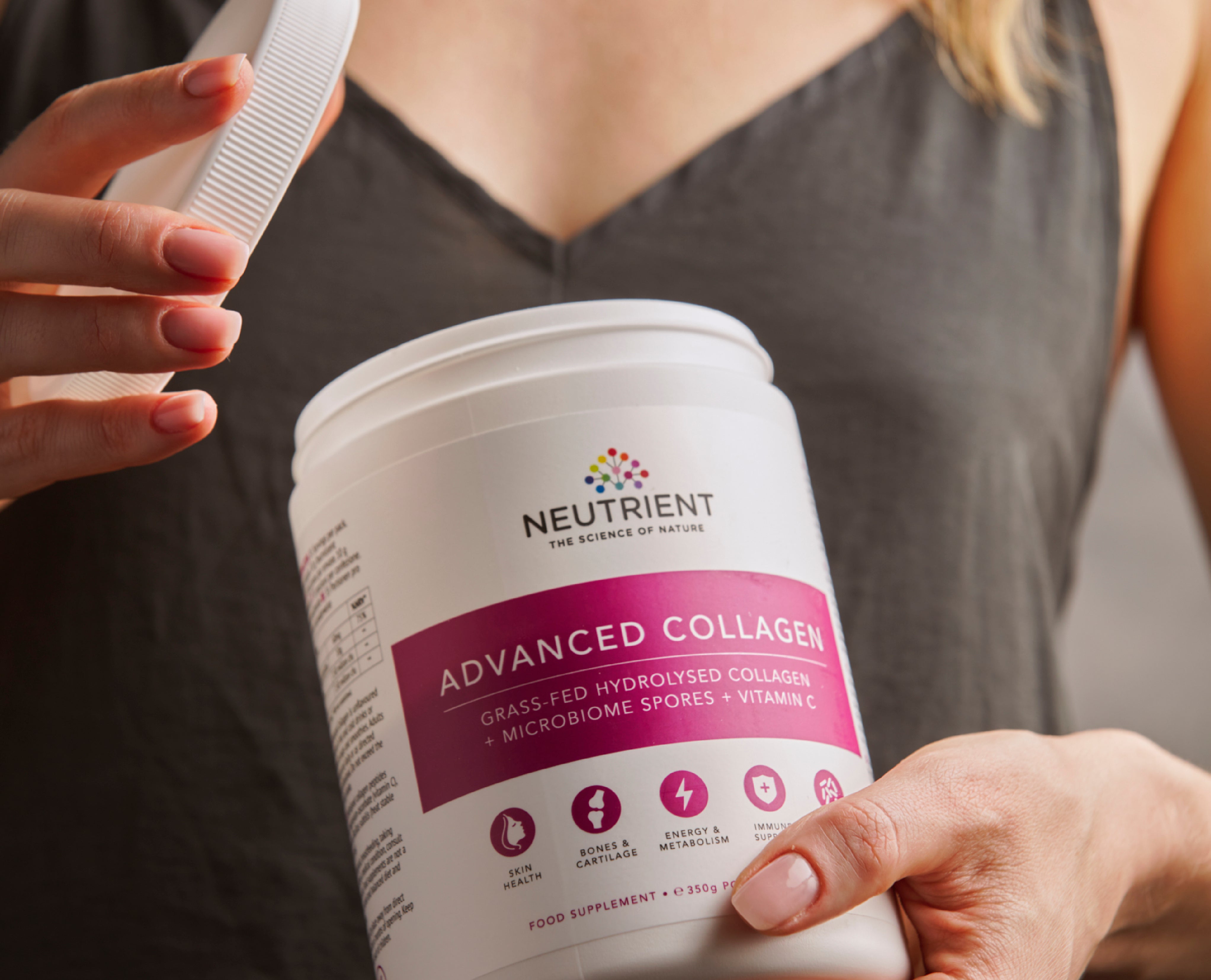
Collagen provides much of the skin's structural framework, helping it maintain strength, firmness and elasticity.10 Because collagen is a protein, the body needs a supply of amino acids to make it. This is one reason adequate protein intake is important when losing weight, particularly when calorie intake and appetite are reduced.
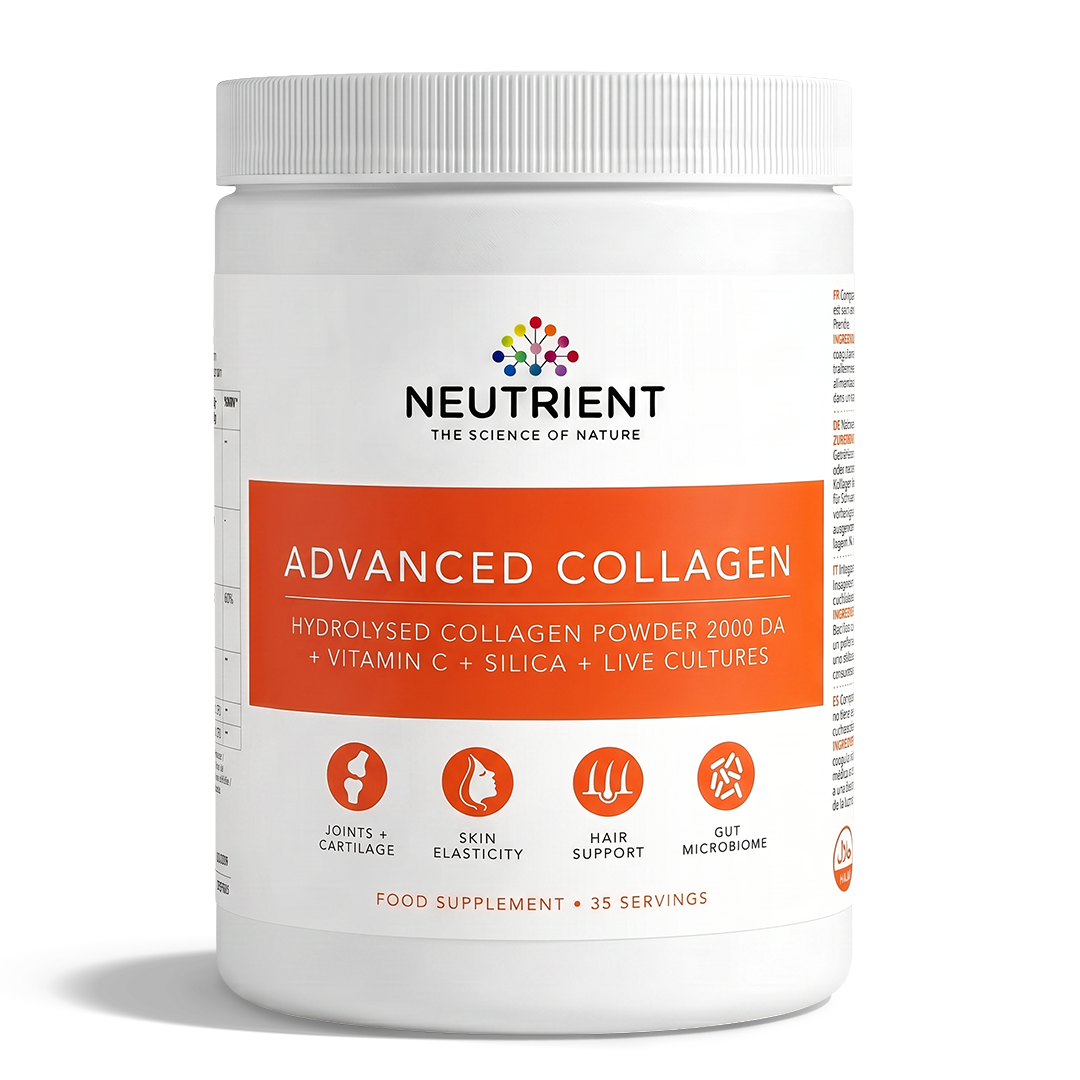
Collagen peptides provide a concentrated source of these amino acids, and clinical trials suggest that oral collagen supplementation may improve measures such as skin hydration and elasticity.11
However, providing the raw materials is only part of the process. Your body also needs vitamin C to make and stabilise collagen properly.
Vitamin C acts as a cofactor for enzymes involved in collagen formation, helping to produce the stable collagen structure that gives skin its strength. Laboratory research has also demonstrated that vitamin C is involved in stimulating collagen synthesis in human skin cells.12,13
This does not mean vitamin C is a collagen replacement, or that taking extra vitamin C will prevent loose skin. They have different roles. Collagen provides amino acids that can be used as building blocks, while vitamin C supports the biochemical processes involved in turning those raw materials into functional collagen.
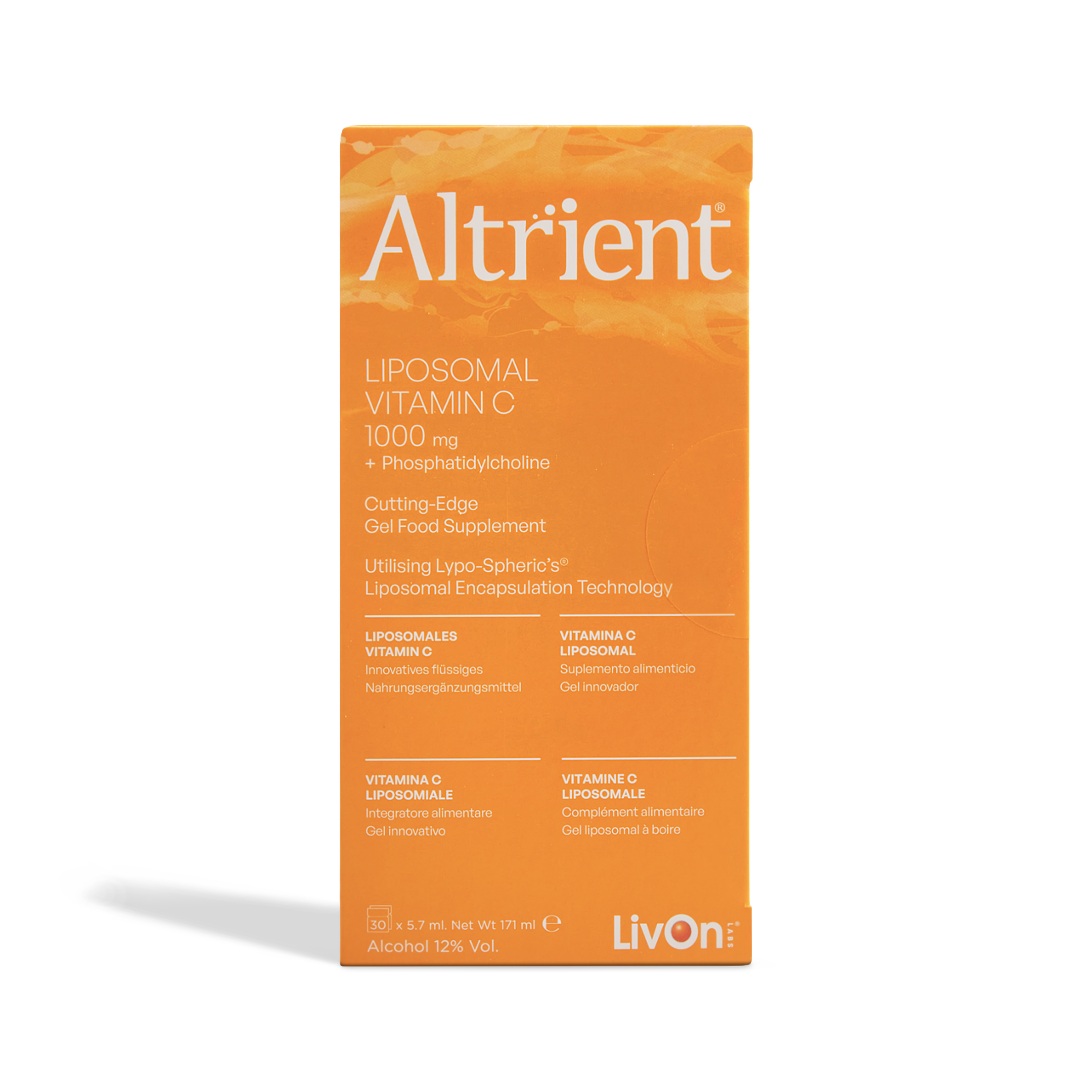
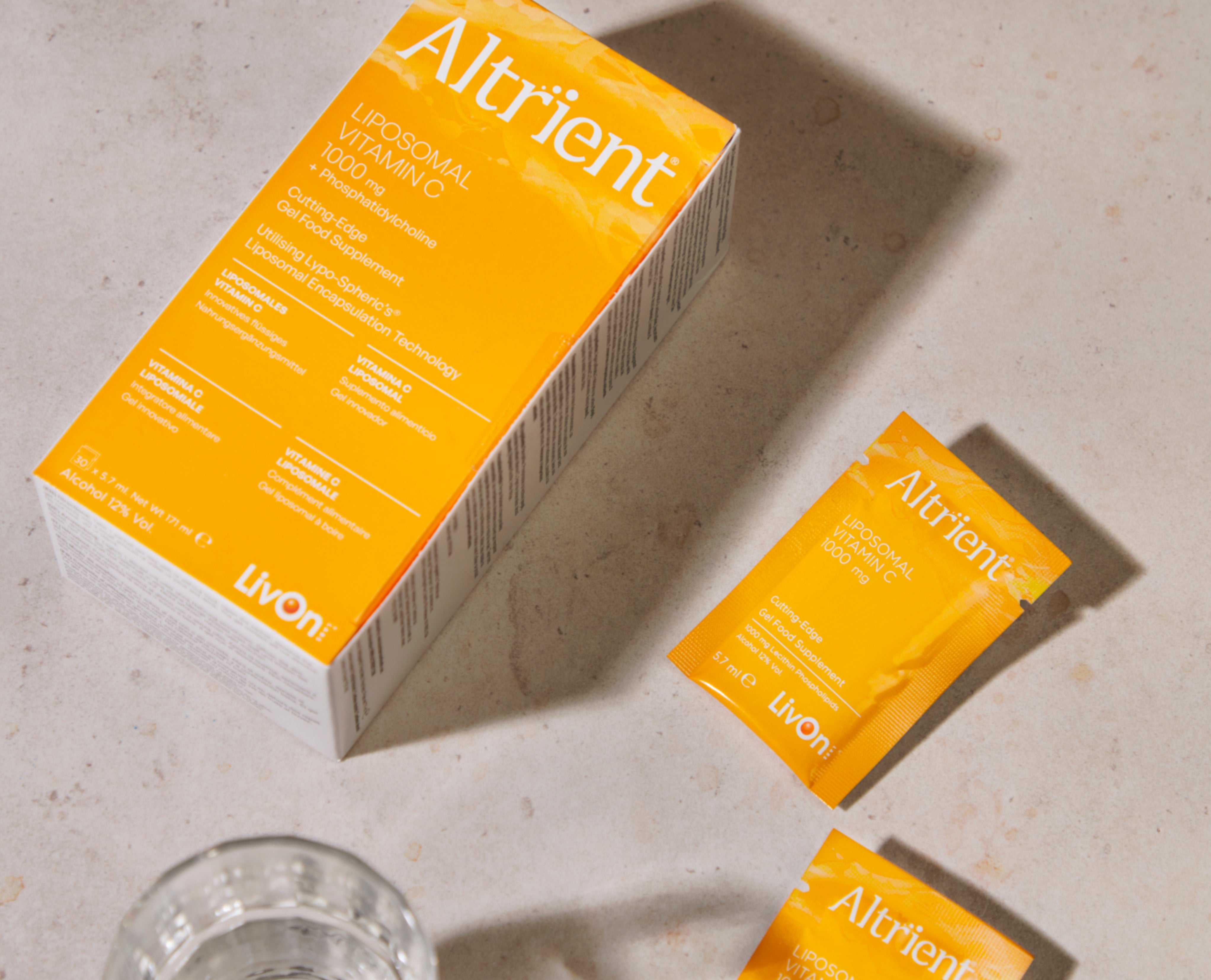
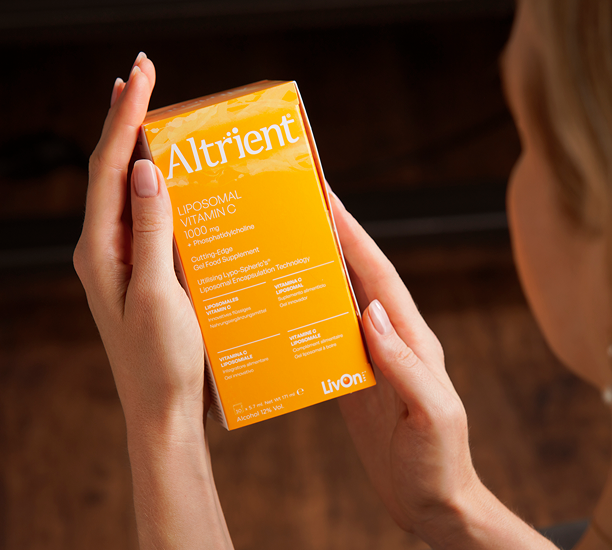
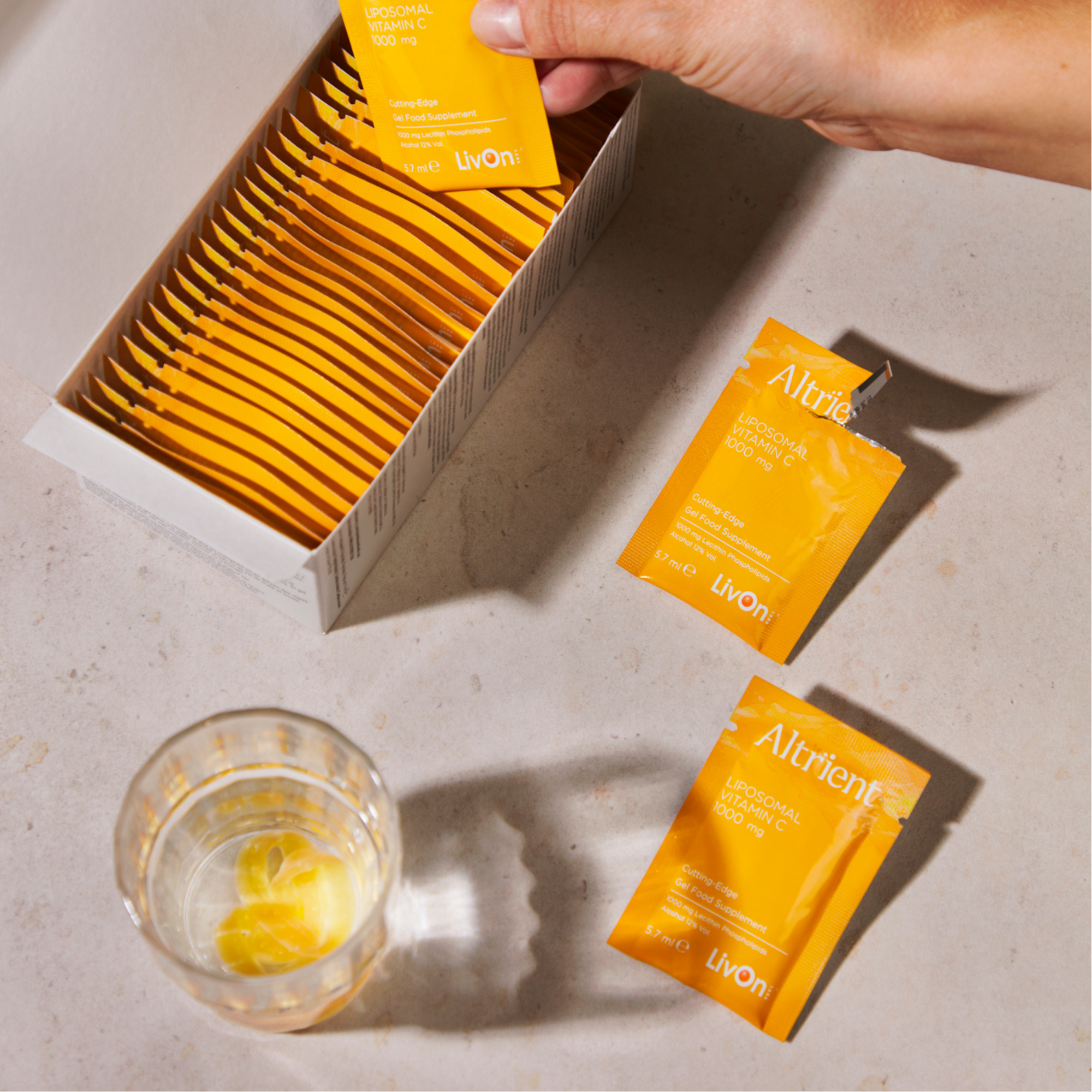
For someone losing weight while eating considerably less, maintaining adequate vitamin C intake is therefore an important part of the nutritional picture. Fruit and vegetables are excellent sources, while Altrient C can provide additional vitamin C alongside a varied, protein-rich diet.
The aim is not to rely on one nutrient or supplement, but to give your skin the nutritional support it needs while your body adapts to weight loss.
5. Think About Your Whole Nutritional Intake
Eating less doesn't automatically mean eating better. This is one reason a good quality diet matters so much during GLP-1 treatment.
When appetite is very low, meals can shrink and be less varied. Prioritising protein, vegetables, fruit, whole foods and nutrient-dense meals can help make sure that the food you are eating provides as much nutritional value as possible.
If reduced appetite makes this difficult, a good quality supplement can sit alongside a balanced diet to help provide nutrients that may otherwise be harder to obtain consistently.
|
Altrient nutritional support at a glance Altrient C — provides vitamin C, which contributes to collagen formation for normal skin function. Why liposomal delivery? The form in which a nutrient is delivered can influence how much reaches the circulation. Research comparing liposomal and conventional oral vitamin C has found greater absorption with liposomal formulations, with studies reporting higher vitamin C levels in the blood and white blood cells following supplementation.17,18 Magnesium L-threonate (Magtein®) — provides magnesium, which contributes to normal muscle function and normal protein synthesis. |
Can Supplements Tighten Loose Skin?
It's important to draw a clear line between supporting skin health and physically removing excess skin. No vitamin, mineral or supplement has been shown to prevent significant excess skin after major weight loss.
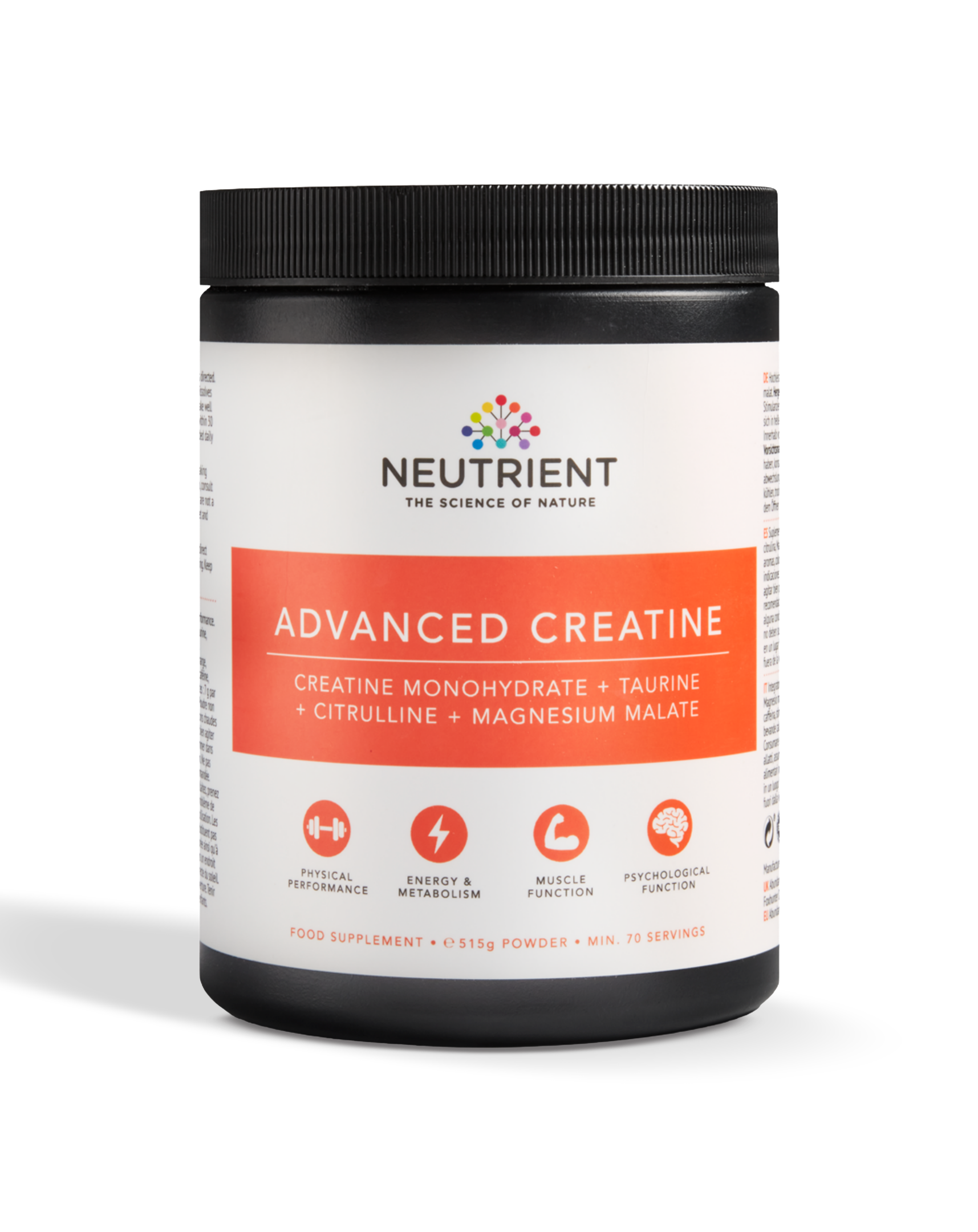
Vitamin C supports collagen formation, protein supplies amino acids for tissue maintenance, and magnesium supports muscle function and protein synthesis.
These are all useful pieces of the nutritional picture, but none can overcome the structural changes that occur when a large amount of skin has been stretched for years. Your genetics and the amount of weight you have lost still matter enormously.
 Why More People Are Choosing Skin Removal Surgery
The rise of GLP-1 medicines has created an entirely new group of people reaching substantial weight loss without bariatric surgery, and some are now seeking cosmetic procedures to deal with the changes left behind.
Recent research has specifically identified an emerging population of GLP-1 users seeking body contouring surgery after significant weight loss.1 Procedures may include abdominoplasty, panniculectomy, lower-body lifts, arm lifts, thigh lifts and breast surgery, depending on where excess skin remains.
This is not necessarily about vanity. Excess skin can rub, become irritated, make exercise uncomfortable and interfere with clothing. Body-contouring surgery has also been associated with improvements in quality of life following major weight loss.13
There is growing interest in non-surgical approaches too, including radiofrequency, ultrasound and other skin-tightening technologies. These may have a role for people with milder skin sagging, but they cannot remove large amounts of excess skin in the way surgery can.
For those who do not want surgery, or cannot afford it, the dietary and exercise strategies outlined in this article may help improve the overall appearance of the body after weight loss.
Building and maintaining muscle can provide more structure beneath the skin, while adequate protein, vitamin C and other nutrients support normal collagen production and tissue maintenance.
These measures cannot remove significant excess skin, but they may reduce its appearance and could lessen the need or desire for further intervention.
Looking Beyond the Scales During GLP-1 Weight Loss
If you're using a GLP-1 medication, it's tempting to focus entirely on the numbers on the scales. A better measure of progress is to monitor your changing body composition, strength, fitness and overall health.
So prioritise protein, eat a varied and nutrient-dense diet with plenty of fruit and vegetables. Keep active, strength train regularly, and pay attention to vitamin C, magnesium and other essential nutrients, particularly if your appetite has reduced considerably.
This is where targeted supplementation may help complement the nutritional foundations of GLP-1 treatment. Altrient C and Magnesium L-threonate (Magtein®) can sit alongside a balanced diet and regular physical activity, rather than replacing them.
You can't control exactly how much your skin contracts after significant weight loss, but you can influence how well-nourished you are, how much muscle you keep and how strong you become.
And that may be a much more useful way to think about successful GLP-1 weight loss than simply watching the scales fall.
Frequently Asked Questions
Does losing weight quickly make loose skin more likely than losing it gradually?
Possibly. Rapid fat loss gives skin less time to adjust, though robust human trials comparing different paces of loss are limited. A steady, sustainable rate of loss, alongside adequate protein, may give skin and connective tissue a better chance to keep pace.
Are some areas of the body more likely to develop loose skin than others?
Yes. The abdomen, upper arms, inner thighs and under the chin tend to show the most visible sagging, largely because these areas carry more subcutaneous fat and have thinner, less taut skin to begin with.
Can loose skin improve on its own once my weight has stabilised?
Some mild tightening can happen over twelve to eighteen months as collagen remodels, particularly in younger skin. More significant sagging tends to remain unless addressed with dedicated skin-tightening treatments or surgery.
Do I need to stop my GLP-1 medication before having body contouring surgery?
This is a decision for you, your prescriber and your surgeon together, since it depends on your individual health, the medication involved and the procedure planned. It should never be decided without medical guidance.
What foods are good sources of collagen?
Collagen is found in foods containing connective tissue, including bone broth, chicken skin, fish skin and tougher cuts of meat. However, your body makes its own collagen from amino acids, so adequate protein plus vitamin C-rich fruit and vegetables is equally important.
Written by: Jacqueline Newson BSc (Hons) Nutritional Therapy
References
- Garbaccio NC, Smith JE, Posso A, Schonebaum DI, Foster L, Cordero JJ, Foppiani J, Hernandez Alvarez A, Choudry U, Lin SJ. Plastic surgery in the Ozempidemic: considerations for the timing of body contouring surgery in patients with semaglutide-associated weight loss. Aesthetic Plastic Surgery. 2025;49(21):6078-6088.
- Karakasis P, Patoulias D, Fragakis N, Mantzoros CS. Effect of glucagon-like peptide-1 receptor agonists and co-agonists on body composition: systematic review and network meta-analysis. Metabolism. 2025;164:156113.
- Jiao R, Lin C, Cai X, Wang J, Wang Y, Lv F, Yang W, Ji L. Characterizing body composition modifying effects of a glucagon-like peptide 1 receptor-based agonist: a meta-analysis. Diabetes, Obesity and Metabolism. 2025;27(1):259-267.
- Morton RW, Murphy KT, McKellar SR, et al. A systematic review, meta-analysis and meta-regression of the effect of protein supplementation on resistance training-induced gains in muscle mass and strength in healthy adults. British Journal of Sports Medicine. 2018;52(6):376-384.
- van Dronkelaar C, van Velzen A, Abdelrazek M, van der Steen A, Weijs PJM, Tieland M. Minerals and sarcopenia: the role of calcium, iron, magnesium, phosphorus, potassium, selenium, sodium, and zinc on muscle mass, muscle strength, and physical performance in older adults: a systematic review. Journal of the American Medical Directors Association. 2018;19(1):6-11.
- Wang R, Chen C, Liu W, Zhou T, Xun P, He K, Chen P. The effect of magnesium supplementation on muscle fitness: a meta-analysis and systematic review. Magnesium Research. 2017;30(4):120-132.
- Hayhoe RPG, Lentjes MAH, Mulligan AA, Luben RN, Khaw KT, Welch AA. Cross-sectional associations of dietary and circulating magnesium with skeletal muscle mass in the EPIC-Norfolk cohort. Clinical Nutrition. 2019;38(1):317-323.
- Welch AA, Kelaiditi E, Jennings A, Steves CJ, Spector TD, MacGregor A. Dietary magnesium is positively associated with skeletal muscle power and indices of muscle mass and may attenuate the association between circulating C-reactive protein and muscle mass in women. Journal of Bone and Mineral Research. 2016;31(2):317-325.
- Akbari M, Ostadmohammadi V, Lankarani KB, Tabrizi R, Kolahdooz F, Khatibi SR, Asemi Z. The effects of alpha-lipoic acid supplementation on glucose control and lipid profiles among patients with metabolic diseases: a systematic review and meta-analysis of randomized controlled trials. Metabolism. 2018;87:56-69.
- Pullar JM, Carr AC, Vissers MCM. The roles of vitamin C in skin health. Nutrients. 2017;9(8):866.
- Boyera N, Galey I, Bernard BA. Effect of vitamin C and its derivatives on collagen synthesis and cross-linking by normal human fibroblasts. International Journal of Cosmetic Science. 1998;20(3):151-158.
- Hasan RA. Body-contouring surgery after GLP-1-induced massive weight loss: surgical outcomes, complications, and patient-reported quality of life. Journal of Medicine and Health Studies. 2026 (in press).
- Toma T, Harling L, Athanasiou T, Darzi A, Ashrafian H. Does body contouring after bariatric weight loss enhance quality of life? A systematic review of QOL studies. Obesity Surgery. 2018;28(10):3333-3341.
- Nishikori S, Yasuda J, Murata K, Takegaki J, Harada Y, Shirai Y, Fujita S. Resistance training rejuvenates aging skin by reducing circulating inflammatory factors and enhancing dermal extracellular matrices. Scientific Reports. 2023;13(1):10214.
- Crane JD, MacNeil LG, Lally JS, Ford RJ, Bujak AL, Brar IK, Kemp BE, Raha S, Steinberg GR, Tarnopolsky MA. Exercise-stimulated interleukin-15 is controlled by AMPK and regulates skin metabolism and aging. Aging Cell. 2015;14(4):625-634.
- Oizumi R, Sugimoto Y, Aibara H. The potential of exercise on lifestyle and skin function: narrative review. JMIR Dermatology. 2024;7:e51962.
- Liposomal delivery enhances absorption of vitamin C into plasma and leukocytes: a double-blind, placebo-controlled, randomized trial. 2024.
- Bioavailability of Liposomal Vitamin C in Powder Form: A Randomized, Double-Blind, Cross-Over Trial. Applied Sciences. 2024;14(17):7718.
Read more

Reaching for an orange when you're flagging, hoping for a quick energy lift, will leave you disappointed. In reality, vitamin C works nothing like caffeine or a sugary energy drink. It contains no ...
Cold plunges before breakfast. Smart rings that track sleep. Continuous glucose monitors on perfectly healthy people. These habits have helped push biohacking from niche curiosity into the mainstre...